




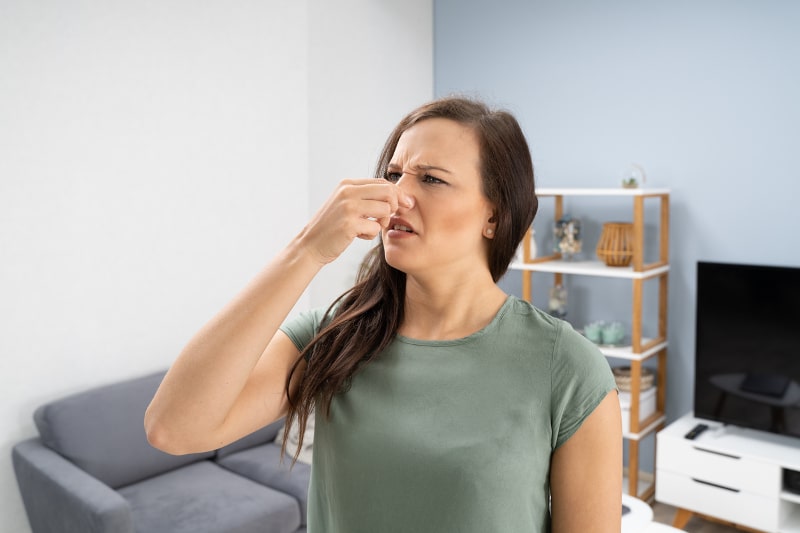
For homeowners searching for furnace repair Orange County, recognizing unusual smells is an important part of maintaining a safe and dependable heating system. The smell itself does not always identify the exact problem, but it can provide an early warning that professional inspection may be necessary.
Why Furnace Smells Should Not Be Ignored
Heating systems contain electrical components, motors, burners, heat exchangers, filters, and ventilation systems. When one of these components develops a problem, unusual odors may sometimes be noticeable during operation.
A temporary odor caused by dust is different from a smell that continues throughout the heating cycle or becomes stronger over time. Trane notes that unusual HVAC odors can indicate that something is not operating as it should, while Carrier identifies several odors that may require professional attention.
Paying attention to when the odor appears, how long it lasts, and whether it changes can provide useful information for an HVAC technician.
A Brief Burning-Dust Smell May Be Normal
One of the more common furnace odors is the smell of burning dust. During periods when the furnace has not been used, dust can accumulate on internal components. When the system operates again, that dust may heat up and produce a temporary odor.
A mild dusty smell that disappears relatively quickly may not indicate a major problem. However, homeowners should pay attention if the odor remains strong, becomes more intense, or returns repeatedly during normal operation.
If a dusty smell does not disappear as expected, professional inspection can help determine whether accumulated debris, restricted airflow, or another furnace problem is responsible.
Burning Plastic or Rubber Requires Attention
A smell resembling burning plastic or rubber is more concerning than a temporary dusty odor. It may be associated with an overheated electrical component, wiring, motor, or another part of the heating system.
Continuing to operate a furnace when a strong plastic or rubber smell is present can potentially allow an electrical or mechanical problem to become worse. Carrier recommends stopping furnace operation and having the equipment inspected when burning-plastic or electrical odors occur.
Homeowners should avoid attempting to repair electrical furnace components themselves. A qualified HVAC professional can inspect wiring, motors, controls, and other components to identify the source.
An Electrical Burning Smell Can Indicate Overheating
An odor similar to burning wires or electrical insulation should be treated seriously. Electrical connections, blower motors, capacitors, control boards, and wiring can develop problems that produce excessive heat.
Other warning signs may include unusual noises, intermittent operation, repeated shutdowns, or visible signs of overheating. If the smell appears to come directly from the furnace, turning the system off and arranging professional service is a safer approach than continuing to operate it.
Early attention may also help prevent additional damage to electrical components.
Rotten-Egg Smells Can Indicate a Gas Leak
A rotten-egg or sulfur-like odor is one of the most important furnace smells to recognize. Natural gas is naturally odorless, but an odorant is added so that leaks can be detected by smell.
If a homeowner smells what may be natural gas, the situation should not be treated as a normal furnace odor. Leave the area and contact the appropriate gas utility or emergency service from a safe location. Avoid operating electrical switches or creating anything that could produce a spark.
Carrier specifically identifies rotten-egg or sulfur odors as potentially indicating a natural gas leak and recommends immediate attention.
Remember That Carbon Monoxide Has No Smell
One of the most important furnace safety facts is that carbon monoxide cannot be detected by smell. Carbon monoxide is colorless and odorless, and fuel-burning furnaces can be a source if combustion or venting problems occur.
This means a homeowner should never assume that a furnace is safe simply because there is no unusual odor.
The CDC recommends having fuel-burning heating equipment serviced annually and ensuring that gas appliances are properly vented. Carbon monoxide detectors should also be maintained according to manufacturer recommendations.
If a carbon monoxide alarm sounds, occupants should leave the building and follow emergency guidance rather than trying to diagnose the furnace themselves.
Musty or Mold-Like Odors May Come From the HVAC System
A musty smell can sometimes point to moisture, mold, mildew, or accumulated debris in areas associated with the HVAC system. The odor may originate from ductwork, filters, condensate-related components, or other parts of the home’s air-distribution system rather than directly from the furnace.
Changing a dirty filter according to the manufacturer’s recommendations can help maintain airflow and cleanliness. If a musty smell continues after basic maintenance, professional inspection can help determine its source.
It is important not to automatically assume that every odor comes from the furnace itself because air circulation can carry smells from other areas of a home.
Oily or Chemical Smells Deserve Professional Evaluation
Oil-like or unusual chemical odors can have different causes depending on the type of heating equipment and the circumstances. An oil furnace, for example, may produce an odor associated with an oil leak or burner-related problem.
Strong or unexplained chemical smells should not simply be covered with air fresheners. The furnace and surrounding components should be inspected to determine whether there is a mechanical, combustion, electrical, or ventilation problem.
Professional diagnosis is particularly important when the smell is accompanied by smoke, unusual noises, reduced heating performance, or repeated system shutdowns.
Exhaust-Like Smells Can Point to Venting Problems
Fuel-burning furnaces must safely direct combustion gases outdoors. Problems involving flues, vents, or combustion equipment can allow harmful gases to enter living areas.
The EPA notes that improperly maintained or damaged furnaces, blocked or leaking flues, and cracked heat exchangers can contribute to exposure to combustion products, including carbon monoxide.
An exhaust-like smell around a furnace should therefore not be dismissed. The system should be professionally evaluated, particularly if the odor is persistent or accompanied by a carbon monoxide alarm.
When Should You Stop Using the Furnace?
The appropriate response depends on the odor and circumstances. A brief dusty smell at the beginning of a heating period may be relatively common, but persistent or strong odors deserve investigation.
Turn off the furnace and seek professional assistance when you notice smells such as burning plastic, burning electrical components, strong smoke, persistent oily odors, or unexplained recurring burning smells. If there is a suspected natural gas leak, smoke, fire, or a carbon monoxide alarm, prioritize leaving the area and contacting the appropriate emergency service or utility provider.
Do not attempt to dismantle the furnace to locate the source of a dangerous odor.
How Professional Furnace Inspection Helps
A qualified HVAC technician can investigate the furnace more thoroughly than a homeowner can safely do. Depending on the symptoms, an inspection may include checking the burner assembly, heat exchanger, blower motor, electrical connections, filter, duct connections, venting system, controls, and other components.
Professional diagnosis is especially valuable when an odor appears repeatedly because the source may not be obvious from the smell alone.
For homeowners looking for furnace repair Orange County, responding early to unusual odors can help identify developing problems before they result in a complete heating failure or additional component damage.
Preventing Furnace Odor Problems
Regular maintenance can reduce the likelihood of certain furnace problems. Homeowners should follow the manufacturer’s recommendations for filter replacement, keep supply and return vents unobstructed, and arrange professional furnace maintenance at appropriate intervals.
Annual servicing is particularly important for fuel-burning equipment because combustion and venting components require inspection. The CDC recommends yearly servicing of heating systems and other fuel-burning appliances.
Homeowners should also make sure carbon monoxide detectors are installed and functioning properly near sleeping areas and elsewhere as recommended for the home.
Final Thoughts
Unusual furnace smells should be treated as useful warning signs rather than something to ignore. A short-lived dusty odor may be harmless, but burning plastic, electrical smells, persistent chemical odors, exhaust-like smells, and rotten-egg odors can indicate problems requiring prompt attention.
Most importantly, remember that carbon monoxide cannot be smelled. Proper furnace maintenance, professional inspections, appropriate ventilation, and functioning carbon monoxide detectors are essential parts of household heating safety.
When an unfamiliar furnace odor persists or becomes stronger, professional diagnosis is the safest way to determine the cause and decide whether repair is needed.
